While smoking remains the leading cause of lung cancer globally, there are several other lung cancer symptoms and causes contributing to the rise of this disease in India. According to specialists from the Indian Council of Medical Research (ICMR), lung cancer cases in India are predicted to increase more than seven times by 2025 compared to a decade ago. Poor outcomes result from lung cancer being discovered between stages 3 and 4 in 75% of cases, leading to high death rates and low survival rates.
Lung Cancer Causes:
Tobacco Smoking:
- This is the single biggest cause of lung cancer in India, responsible for around 9 out of 10 cases.
- Smoking exposes your lungs to thousands of harmful chemicals, many of which are carcinogenic (cancer-causing).
- The risk increases with the number of cigarettes smoked and the duration of the habit.
- Even smokeless tobacco products like chewing tobacco increase lung cancer risk.
Secondhand Smoke:
- Inhaling secondhand smoke from others' cigarettes also significantly raises lung cancer risk.
- This is a major concern in India due to social smoking customs and shared living spaces.
Air Pollution:
- India struggles with severe air pollution, particularly in major cities.
- Fine particulate matter (PM2.5) from traffic fumes, industrial emissions, and burning biomass can damage lung cells and contribute to cancer development.
Radon Gas Exposure:
- Radon is a radioactive gas that can accumulate in homes built on certain soil types.
- Long-term exposure to radon increases lung cancer risk.
Occupational Exposures:
- Workers in certain industries, such as asbestos mining and chemical manufacturing, or those exposed to secondhand smoke in bars and restaurants, are at higher risk.
Genetics:
- A family history of lung cancer can slightly elevate your risk, although this is less significant than smoking or air pollution.
- Lung cancer is now being discovered in an increasing proportion of non-smokers, mostly in young people.
Types of Lung Cancer
1. Non-Small Cell Lung Cancer (NSCLC):
- NSCLC is the most common type of lung cancer, accounting for about 85% of all cases.
- It includes subtypes such as adenocarcinoma, squamous, and large-cell carcinoma.
- NSCLC grows and spreads more slowly than small-cell lung cancer.
2. Small Cell Lung Cancer (SCLC):
- SCLC represents about 15% of lung cancer cases.
- This type of lung cancer is known for its aggressive nature, with a tendency to spread rapidly to other parts of the body.
- SCLC is strongly associated with a history of smoking.
3. Carcinoid Tumors:
- These rare, slow-growing tumors typically start in the bronchial tubes.
- Carcinoid tumors account for a small percentage of lung cancer cases.
4. Other Rare Types:
- Some other rare types of lung cancer include sarcomatoid carcinoma, adenosquamous carcinoma, and others.
- These rare types may require different treatment approaches than NSCLC and SCLC.
To identify lung cancer, several tests may be used, including:
- Chest radiograph: This is a simple X-ray of the chest that can show abnormal masses or nodules in the lungs.
- CT scan of the chest: A computed tomography (CT) scan provides detailed cross-sectional images of the chest, allowing for a more comprehensive view of any abnormalities.
- Lung biopsies: Biopsies involve taking a sample of lung tissue and examining it under a microscope to look for cancer cells.
- Testing for pharmacogenetics involves analyzing a person's genetic makeup to determine how they may respond to certain cancer treatments and medications.
- Sputum cytology: This test examines lung mucus to look for cancer cells.
- Pleural fluid analysis: If fluid accumulates around the lungs (pleural effusion), it can be tested for cancer cells or other abnormalities.
These tests are important for diagnosing and determining the lung cancer treatment.
Lung Cancer Treatment
- Surgery: This may involve removing the tumor itself, a portion of the lung (lobectomy), or, in some cases, the entire lung (pneumonectomy). Minimally invasive techniques like video-assisted thoracoscopic surgery (VATS) are often preferred for faster recovery.
- Radiation Therapy: High-energy rays target and destroy cancer cells. This can be curative (with intent to cure) or palliative (to relieve symptoms). Newer techniques like proton therapy offer more precise radiation with fewer side effects.
- Chemotherapy: Powerful drugs kill cancer cells throughout the body. It's often combined with surgery or radiation therapy and is particularly important for small-cell lung cancer.
- Targeted Therapy: Involves a targeted approach using drugs that specifically act on carcinogenic cells. These cells often alter their molecular and genetic configurations to cause mutations. This therapy concentrates on eradicating affected cells while causing minimum to no damage to normal cells leading to fewer side effects as compared to the traditional approach of chemotherapy. Targeted therapy is only executed on patients with specific cases or histories of genetic mutations within their tumor cells. This therapy has transformed the treatment procedure for lung cancer by minimizing the risk and improving the quality of life for patients with comparatively higher response rates.
- Immunotherapy: Immunotherapy involves the utilization of specific drugs that activate the immune system of the patient and harness its capacity to fight against carcinogenic cells. Detection of tumor-causing cells solely by the immune system could be tedious, so immunotherapy drugs are prescribed to overcome this problem. These drugs detect these cancer-causing cells in the lungs as foreign particles and act accordingly. These drugs target the cells, tissues, network of the immune system, and the tumor in the body to fight against the cancer. Immunotherapy has been proven effective in improving the survival rate of patients. It is also less toxic and an alternative with fewer to no side effects in comparison to traditional chemotherapy. Patients also exhibit long-term responses within the immunity system even after the treatment is stopped.Early detection of lung cancer is crucial because it significantly improves the chances of successful treatment and positive outcomes. When lung cancer is diagnosed at an early stage before it has spread to other parts of the body, there are more treatment options available, and the potential for a cure is higher. Screening for lung cancer can detect the disease in its initial stages, even before symptoms appear, allowing for timely intervention and improved survival rates. Early detection also means that less aggressive treatments may be required, leading to a better quality of life for patients.
- Next Generation Sequencing (NGS):NGS is an ultramodern technology that utilizes specific DNA sequencing technology to sequence the related entire genome, exome, or specific exons of targeted genes and provide a molecular profile of non-small cell lung cancer (NSCLC). In clinical oncology, NGS holds a firm position because of its capacity to check multiple genes as well as analyze the type of genomic features altogether. NGS has proven effective in detecting lung cancer even with a small number of samples and with greater sensitivity and specificity. NGS implementation is not merely restricted to the detection of mutations. The technology surpasses all expectations by exhibiting a detailed review of the cancer. NGS technology helps in identifying the responsible gene and the precise gene alteration responsible for the growth of tumor cells in lung cancer patients.
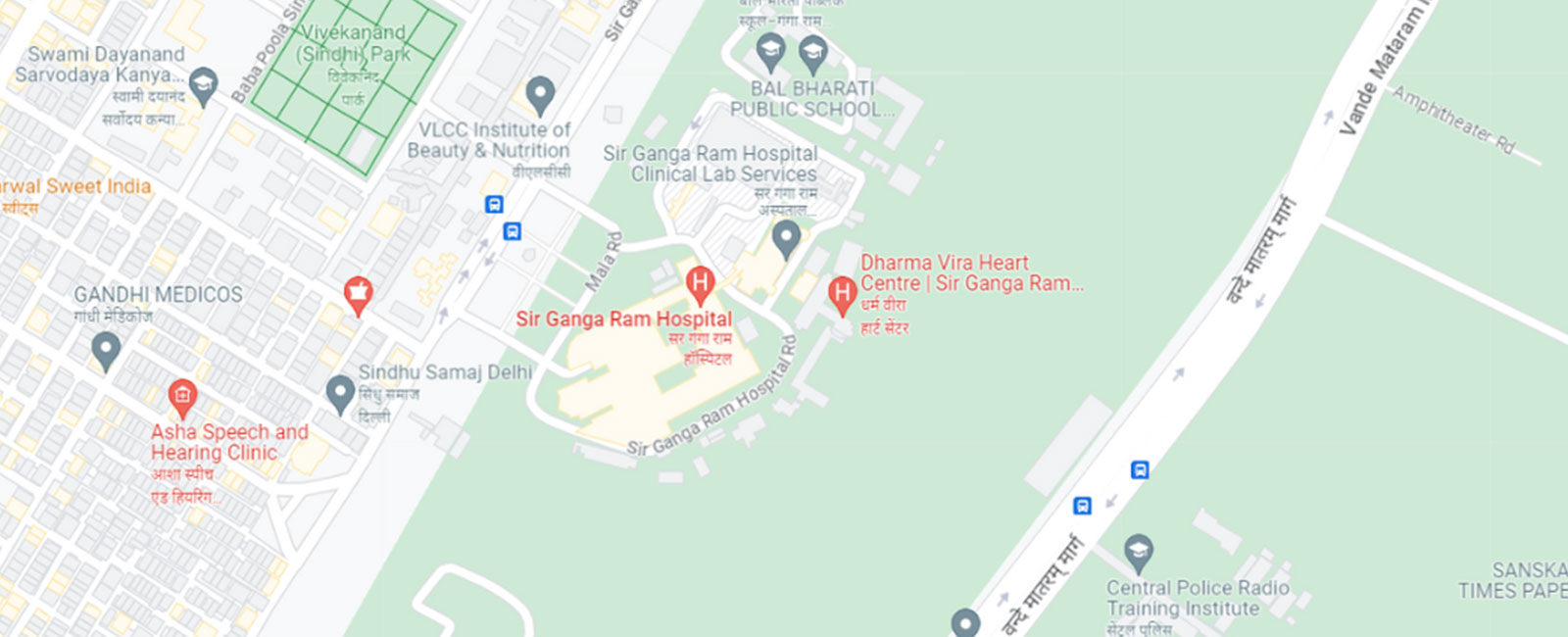
Sir Ganga Ram Hospital is a respected medical oncology hospital in Delhi with specialized lung cancer treatment experts. By promoting the importance of early detection and screening, Sir Ganga Ram Hospital aims to save lives and enhance the well-being of individuals at risk of or affected by lung cancer.
Book an appointment with Sir Ganga Ram Hospital for guidance on screening and preventive healthcare measures.